
Applications per job ad are climbing, creating bigger shortlists and more noise for TA teams to sift through.

Employers are cautious with budgets, yet still paying premiums for proven delivery in scarce skill areas.

The advantage will go to people and organisations who can show real-world application and ROI.

Even in an employer-led market, slow feedback loops are now costing employers strong candidates.

Reduced grad and entry-level hiring is building future capability risk, especially as AI changes what “good” looks like.

Organisations are recognising that AI and innovation can’t deliver value without strong foundations; refocusing on core systems, infrastructure, and delivery capability.
While hiring conditions have stabilised, it isn’t a return to business as usual. After several years of volatility, organisations are hiring more intentionally with slower employment growth than pre-COVID, tighter budgets, and greater scrutiny on where new roles deliver real impact.
This measured approach is reflected in our salary and rate data. Across most job families, movement has been modest, with many roles seeing little to no change year-on-year. Where we have seen meaningful uplift, it’s been highly targeted. In Australia, top-end salaries for Microsoft specialist roles increased by around 6%, while in New Zealand, key Digital roles saw average increases of around 3%.
Broad salary inflation has cooled but premiums remain for proven capability, and employers are still willing to pay for experience that can deliver outcomes quickly. Even as overall hiring remains cautious, demand continues for roles tied to infrastructure, platforms, security, and transformation.

The best people have options. The companies winning right now are the ones that move quickly and tell their story well — culture included.

Colin Etheridge
North America CEO
Talent New York
Candidates are currently reluctant to move unless there's a compelling reason — stability, salary uplift, or flexibility still have to be clear.
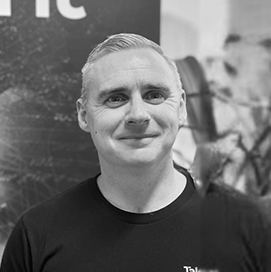
Alan Dowdall
Practice Manager
Talent Sydney
Major digital projects don’t stall because government lacks ambition, they stall when delivery capability can’t keep pace with complexity and change.

Steve Jobson
Account Director
Talent Canberra
With more candidates on the market, hiring should feel easier but many employers are finding the opposite.
Rising application volumes are putting real pressure on hiring teams. Larger shortlists, longer screening times, and slower feedback loops are becoming common, while expectations around speed and candidate experience remain high.
As application numbers climb into the hundreds, the risk of losing strong candidates also increases, with high-quality talent disengaging while organisations work through crowded pipelines.
For hiring managers, success in 2026 won’t come from attracting more candidates, but from qualifying better, moving faster, and being clearer on what “good” looks like from the outset.
With some roles attracting 200+ applications, clients are recognising the value of proper qualification processes — especially when many CVs have clearly been AI-optimised.

Georgia Hynes
Senior Recruitment Consultant
Talent Wellington
In competitive skill areas, slow or overly complex hiring processes are still causing organisations to lose candidates to faster-moving competitors.

Alex Nguyen
Account Executive
Talent Sydney
The difference between a good candidate and a great candidate is communication. Having the skill of storytelling and the ability to sell your accomplishments in an interview will put you ahead of most people in the market.

William Kearney
Principal Consultant
Microsoft & Cloud Apps
Talent New York
Infrastructure and systems engineers are back in focus. Organisations are realising they need strong foundations in place before AI can truly deliver value.

JP Browne
Practice Manager
Talent Auckland
AI and senior engineers with real enterprise implementation experience remain extremely hard to find, and that scarcity is only going to continue pushing salaries up.

Ruth Marks
Senior Account Manager
Talent Sydney
AI hiring is changing: clients don’t just need capability, they need proven delivery. We’re seeing demand for D365 professionals who know how to help with AI user adoption with users at all levels. On the Azure engineering side, our clients need candidates who have deployed AI in production, not just experimented with it. The clients who win are clear on outcomes and move decisively.

Dylan Cohen
Director of Microsoft Recruitment
Talent New York
AI capability will become a baseline expectation across technical roles in 2026, and those who can demonstrate a combination of deep technical expertise with real-world, business impact will command a clear salary premium.

Scarlett Cooke
Account Director
Talent Sydney
Australia’s tech market isn’t one market anymore. While broader ICT shortages are easing, cyber — particularly cleared cyber in Canberra — remains structurally tight and continues to command a premium.

Lauren Fyfe
Senior Account Manager
Talent Canberra
This year, "in demand" is less about job titles and more about technological capability.
Industries such as defence, utilities, health, mining, and higher education continue to command high quality talent to ensure successful delivery of key growth and transformational initiatives across the state.
Sam Scarfo
Senior Account Executive
Talent Adelaide
Infrastructure and network automation skills are commanding strong demand,
particularly where organisations are scaling AI and cloud environments.
Elliott Howard
Account Director
Talent Sydney
We’re seeing candidates increasingly trade top-of-market contract rates for longer-term contracts or permanent roles that offer stability and continuity.

Edwin Foo
Principal Account Manager
Talent Perth
With strong population growth in Queensland, competition has intensified and, at the same time, many workers are hesitant to leave secure roles amid ongoing uncertainty.

Steph Smithers
Practice Manager
Talent Brisbane
I expect a bounce back for consultancies and more projects underway that will lead to a trend of hiring short-term contractors versus full-time direct hires.

Jason Pho
Director of Digital & Technology Recruitment
Talent New York
Many candidates are prioritising project certainty — a funded 3–5-year pipeline often matters more than the highest base salary.
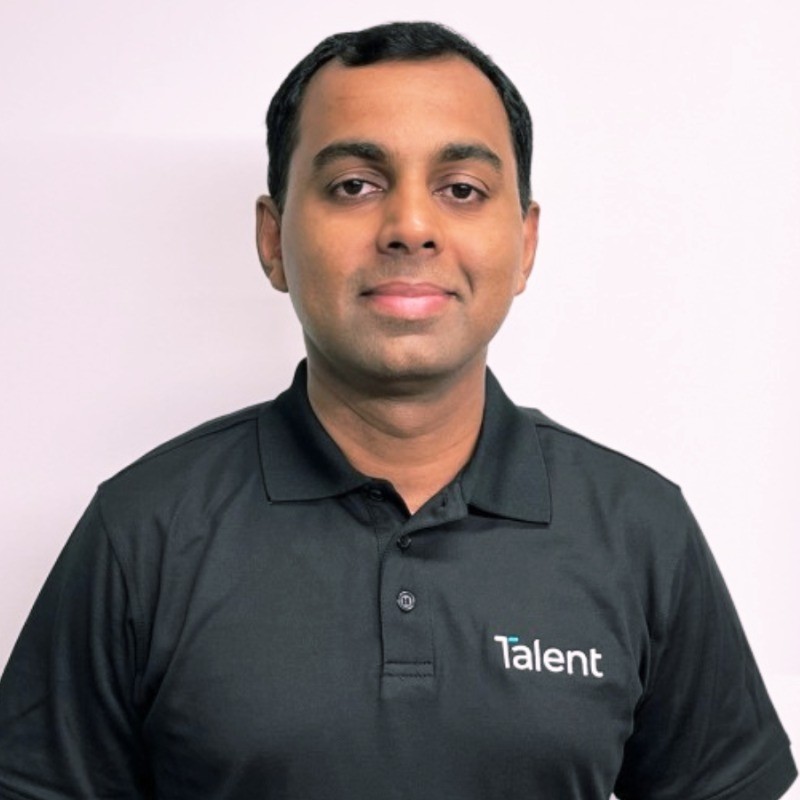
David Gonsalves
Head of Professional Services
Talent Perth
More employers are moving toward skills-based and SOW-style engagement models to keep work moving without lengthy approval cycles.

Joelle Beaton
Practice Lead
Talent Melbourne
Capability beats confidence
Feeling confident isn’t the same as being competitive. In 2026, the edge will go to candidates who can demonstrate judgement, delivery and real-world impact — not just skills or tool familiarity.
Be deliberate about when you move
Many professionals are staying put due to market uncertainty. The strongest candidates will move with intention (consider clear scope, credible leadership, genuine progression, and compensation that stacks up)rather than jumping at the first option out of frustration or fear.
AI fluency needs evidence
AI is becoming a baseline expectation. What matters is how you’ve applied it and where it improved outcomes, reduced risk or enabled better decisions.
Balance stability with trajectory
In a flatter salary market, the roles that pay off long term are the ones that build capability. Prioritising opportunities with clear progression, learning exposure, and access to strong leaders will do more for your future earning power than chasing short-term pay increases alone.
Retention isn't loyalty
Low turnover can hide disengagement. With 69% of workers unsure their employer would fight to keep them, experience and communication gaps matter more than ever.
Hire for execution, not volume
Even in a candidate-saturated market, more applications won’t solve capability gaps. Clear role definition, disciplined qualification and faster decision-making will.
Leadership capability is a workforce lever
When leaders communicate clearly, make sound decisions and build trust, teams move faster, stay engaged and deliver more consistently. In AI-enabled environments, strong leadership reduces friction, improves adoption and helps organisations retain critical capability.
Design for capability, not titles
As roles continue to shift, the organisations that align skills, learning, and leadership around real work — rather than role labels — will be best positioned for 2026 and beyond.